Hip-hop and rap music have an interesting position in American society. On one side, it’s seen as a terrorizing menace that perpetuates criminal and sexist ideals, and to others it represents a non-conformist voice reflecting urban communities and their right to be heard. I’m getting my feet wet on this particular genre of music and while I’m still just getting acquainted, it hasn’t taken me long to realize there are powerful messages behind the surface that deviates from what most perceive.
Kanye West is a prominent figure in the realm of hip-hop. Controversial, sure, but regardless whether you agree with his methods or not, this guy is artistically brilliant and very socially aware. Without critically analyzing his actions and lyrics, Kanye seems strikingly prideful and pompous with little regard to others. But knowing that nothing is actually as it seems, I caught interest in this bombastic icon. Kanye’s music embraces obscurity and isn’t easily grasped in the light of day. He uses fantasy, satire, and hyperbole to stream together an autobiography or point of view, with little concern to literal translation. This underlines the consideration that rap/hip-hop is, by definition, poetry.
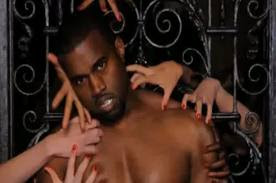
His new video for the song Monster roused a backlash of anger over the obvious use of female exploitation. The apparent displays of violence and brutal sexual treatment toward women caused enough controversy for MTV to ban the video after receiving a slew of petitions. My reaction wasn’t different. I felt puzzled and irritated that someone with a history of powerful metaphors and context would completely degrade his credibility as one who fights injustices of the system. I was curious how someone can fight for the rights of one minority group while slandering another, in tandem, and determined to find a deeper, less offensive meaning.
Let’s think about Kanye’s past involvement with women. The infamous dramatics of interrupting Taylor Swift to defend Beyonce left everyone outraged and left me scratching my head. The whole incident wasn’t that big of a deal… and did anybody consider the fact he was absolutely RIGHT? His context was making a solid point- that black women aren't recognized for their talent as much as white women, even when it's basically unquestionable who's more deserving. Aftermath media stories of a broken up Swift left shaking on stage because of another angry black male were obnoxious. Poor Taylor? Please. I’m sure she’ll figure a way to eventually fight through the mental anguish. Keeping consistent with Kanye’s relation with women, I’m starting to think this video is just exposing the injustices of white women vs. minority women.
I found some insight on the blogosphere that noticed a story being told here. In the video, all of the completely dead women are white, while women of color were in a zombie, otherwise “monster,” state. I see here that Kanye is playing up the role (monster) given to him by America and further suggesting this role doesn’t just yield to the individual, rather a label all people of color have been and are continually stricken with. He’s virtually personifying the role people not only wanted to see, but forced him to embody. Nicki Minaj’s guest appearance is clearly categorizing the roles women have to pick from: Controlling bitch or innocent plaything. There’s an important undertone in the video, like I suspected, but I’m still not sure if I agree with it.
As someone who’s passionate about fighting against injustices and for civil liberties/human rights, I proudly stand in defense of every voice, idea, person that struggles to survive America. Kanye as a self-proclaimed mama’s boy shouldn’t ignore the objectification, backbreaking pressure, standards and boundaries all women are subjected to. Fighting against one "ism" should be fighting against all "isms." He’s become apart of the imperfections he stands against. Remaining secure in one perspective of a group without considering another lens is making the same mistake as the ignorant majority. And by grouping people into a framed judgment is muffling the efforts of progressive rebels fighting alongside. With all this said, there's no doubt that being oppressed in one area doesn't mean you're not privileged in another- and I'm aware my counterpoint is relatively weak, but it's important to consider. Ultimately, my respect Kanye as an artist and an intellect is unwavering, but he’s still evolving and he is holding to ideas that should be provoked. Just probably not ones that the majority disputes- always ignore the majority.


